





From The Dean

This issue of The Journal continues our exploration of what sets this Law School apart—our people, our values, and the strength of our interconnected community—while highlighting the programs, partnerships, and philanthropic support that sustain our mission and enrich the student experience.
Over the past year, our faculty have shaped critical conversations in law and policy—from the future of artificial intelligence to access to justice. Our investment in experiential learning has deepened through our clinics and centers, where students work directly with clients, courts, and communities.
Citation

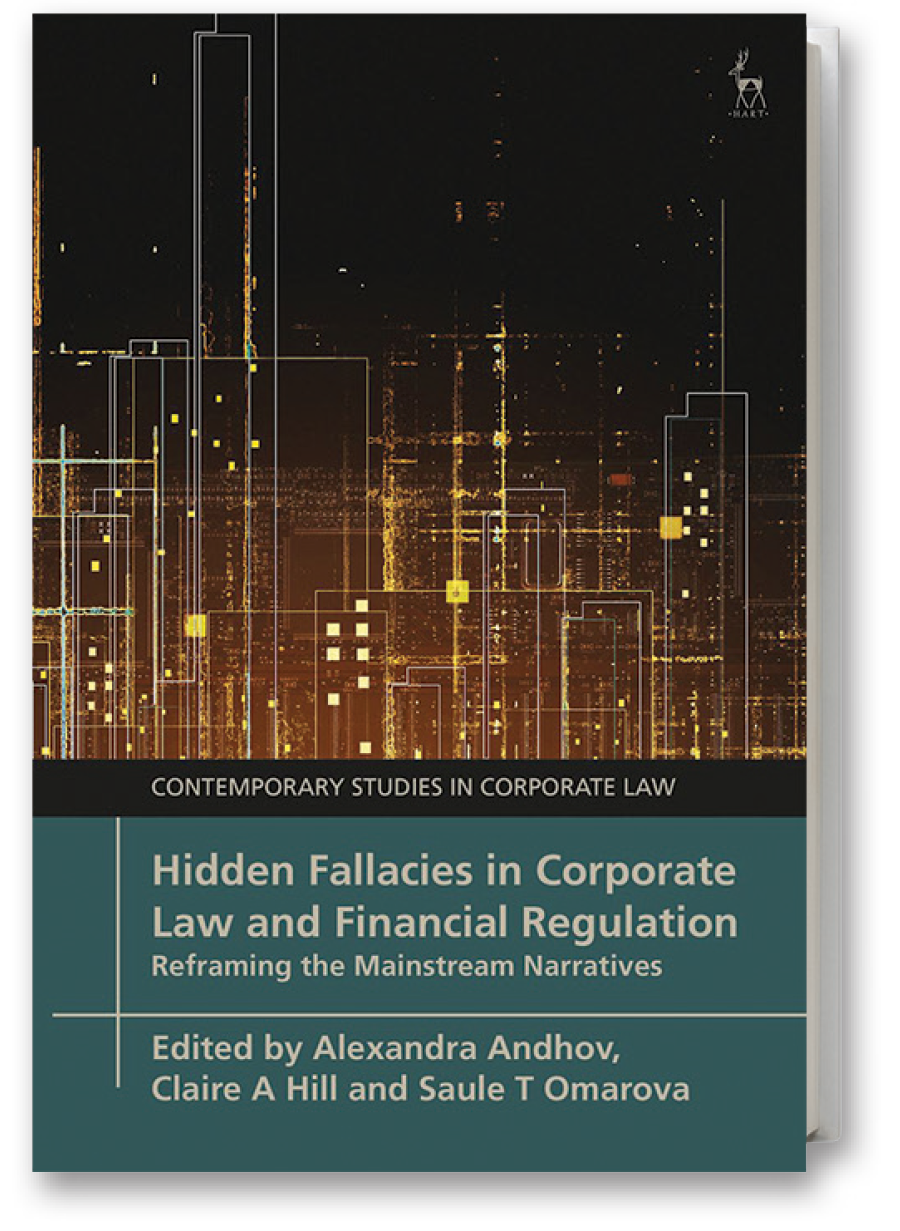
Hidden Fallacies in Corporate Law and Financial Regulation: Reframing the Mainstream Narratives
Bloomsbury Collections
he foundations of corporate law and financial regulation rest on long-standing assumptions that too often go unexamined. Hidden Fallacies serves as both a conceptual “deconstruction” and a framework for future inquiry, exploring the origins and consequences of misleading ideas embedded in mainstream approaches to governance and market regulation.
Through essays from leading legal and financial scholars, the volume invites a deeper understanding of how reexamining these assumptions can help build more transparent, equitable, and resilient systems.

 Students in Professor Shanahan’s Justice Lab clinic.
Student Advocacy in Action: Empowering Social Justice through Legal Practice
Across Philadelphia and beyond, many people navigate these courts without the guidance or benefit of legal representation. Through Justice Lab, Shanahan is equipping students with hands-on experience to become advocates for social justice. Working with organizational partners, they take on complex, real-world challenges that reveal how legal systems can better serve those most affected by inequity.
Shanahan’s scholarship examines the mismatch between the problems people bring to these courts and the laws and procedures the courts use to address them. In many cases, individuals spend only minutes before a judge, yet the outcomes can have life-altering consequences. Focusing on courts that disproportionately affect vulnerable communities, her empirical work sheds light on what happens in lawyerless courts, while her procedural and theoretical work offers new ways of thinking about and designing civil justice systems.

Army War College
Students participate in the International Strategic Crisis Negotiation ExerciseThe U.S. Army War College is located two hours from Philadelphia in Carlisle, Pennsylvania, and trains officers in the U.S. military and from militaries around the world for leadership roles.
“One of the students I had in my JD/MBA summer class—he and his father had both been stationed at the War College,” Theodore K. Warner Professor of Law and Professor of Real Estate Michael Knoll explained. “He came to me and suggested it would be a great idea to offer one of these simulations at Penn Carey Law, and I thought, absolutely.”
Knoll’s student was Aaron McKenney L’19, WG’19, now a Lecturer in Law at the Law School; his father is Adjunct Professor of Law Colonel (Ret.) Paul McKenney.
Opening Statements


Reunion Weekend Fosters Reconnection and Engagement
Joining from around the globe, attendees enjoyed a full weekend of events, including traditional favorites such as the State of the Law School with Sophia Z. Lee, Dean and Bernard G. Segal Professor of Law, and the Alumni Affinity Mixer.
New this year was “Courtroom Quest,” an interactive game that invited alumni to explore the Law School campus to earn points through an app. Participants dressed up as judges in the moot court room, took a picture with the Goat statue, and solved a riddle to find the Clock. The alumnus with the most points at the end of the weekend won a prize.


A Leader in Teaching & Scholarship
A Leader in Teaching & Scholarship
t the core of Penn Carey LAW’s success lies an exceptional faculty, who produce cutting-edge legal scholarship while teaching and mentoring the next generation of lawyers and leaders. Endowed chairs enable the Law School to recruit and retain faculty who bring pioneering perspectives to the classroom and drive pathbreaking research. Their wide-ranging expertise enables the Law School to expand its world-class curriculum and provides students with an exceptional academic experience.
Elizabeth Pollman was named the Perry Golkin Professor of Law starting in the 2025-26 academic year. An expert in business law, she teaches and writes in the areas of corporate law and governance, as well as startups, venture capital, and entrepreneurship. She has been named to the Corporate Practice Commentator’s Top 10 List eight times in the last eight years, including most recently for “The Making and Meaning of ESG,” which was published in the Harvard Business Law Review.

Preparing First-Year Students for Success
General academic support, class preparation strategies, and professional identity formation are all major components of 1LAP, with built-in opportunities for students to foster community, mentorship, and create their own legal networks.
“Reflecting on my 1LAP experience, I’m incredibly grateful for how it helped me build early connections with peers who became some of my closest friends throughout 1L,” said Christy Xie L’27. “As someone who went into law school without any existing connections, the program provided an early opportunity to form friendships and build a sense of community that supported me throughout my first year. Whether it was bonding over case readings in preparation for the mock class or chatting over mini golf, those first few days made a big difference in helping me feel part of the community.”
Discovery
Expanding Access

Fred Ames L’27

Honoring Memories Through Giving
ifts to Penn Carey Law in memory of departed members of the Law School community allow family, friends, and classmates to come together in support of initiatives that honor their loved ones and create a lasting impact. Our vibrant, close-knit community is one of our enduring strengths, and one of the many reasons so many aspiring lawyers and leaders choose the Law School for their legal education. The friendships and connections students make with their classmates, faculty, and staff shape their careers and last a lifetime.
This makes it particularly heartbreaking when the Law School loses a member of the community. In these difficult moments, family, classmates, professors, and staff feel compelled to join together to mourn their loss, recall fond memories, and uphold the legacy that their loved one leaves behind.


Creating a Lasting Legacy

Jo Pulvermacher was not an alumna of Penn Carey Law and was not affiliated with the Quattrone Center. However, after her husband, Louis Pulvermacher L’51, passed away in 2006, she wanted to honor his connection to the Law School and his desire to give back to the institution that played a major role in his professional life.
A 1956 graduate of Bryn Mawr College, Jo enjoyed a successful career in the fashion industry, rising steadily from saleswoman to chief designer and co-owner of Malcolm Starr, a dressmaker based in Manhattan. She was introduced to Louis at a party, a meeting that blossomed into a marriage of 35 years.
Supporting The Next Generation of Students
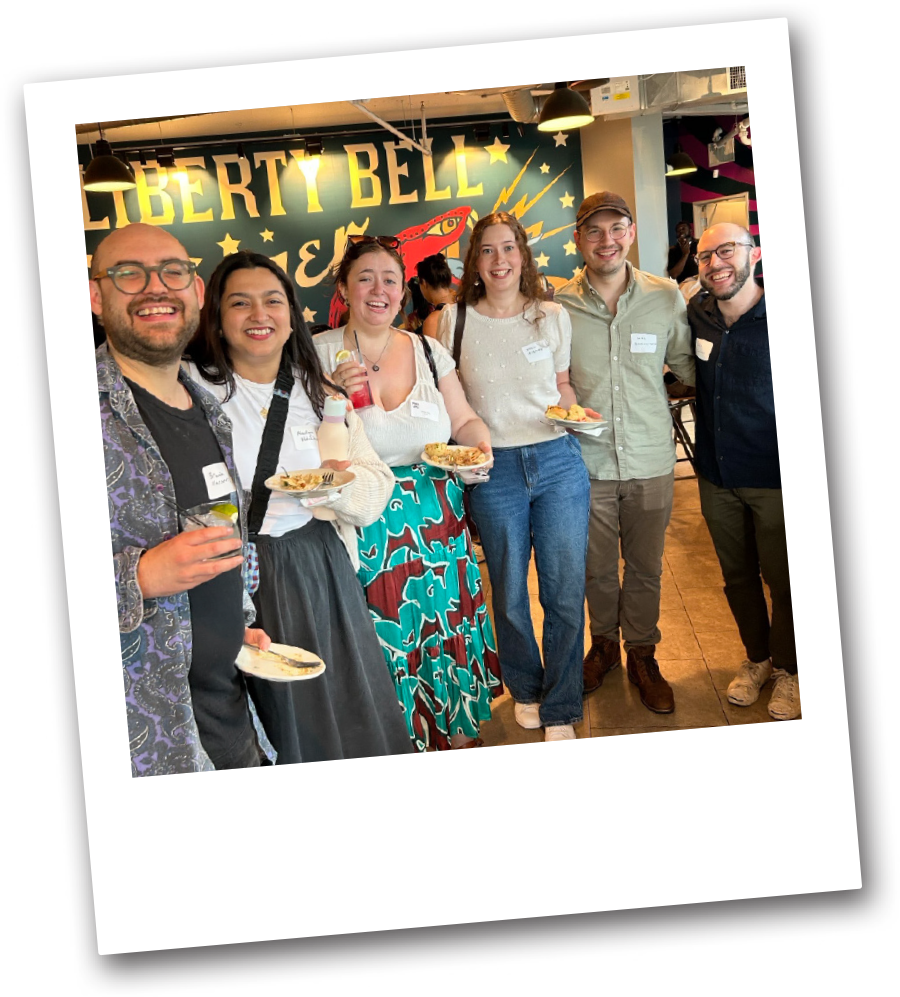
or over a decade, the 3L Class Gift has allowed the Law School’s graduating class to give back to their academic community. This long-held tradition, organized by the Law School’s Office of Development & Alumni Relations in collaboration with a student committee, encourages graduating students—including JDs, LLMs, and MLs—to make a gift to the Annual Fund, which supports every aspect of Penn Carey Law, from student organizations and scholarships to the clinics and research initiatives.
The 2024-25 academic year was one of the most successful fundraising efforts in recent history and featured several new initiatives to get students involved and celebrate the transition from student to alumni.
To raise awareness of the campaign, the Class of 2025 student committee held tabling events in the Goat twice a month to inform their classmates about the impact of the Annual Fund and encourage them to make a gift. The class committee handed out Penn Carey Law friendship bracelets, holiday swag and candy, and exclusive Penn Carey Law Class of 2025 baseball caps for those who made a gift.


Rooted in Tradition: A Legacy of Mentorship
or generations, student-faculty mentorship has been a cornerstone of the Penn Carey Law experience, shaping careers, fostering innovative scholarship, and building lasting connections across classes and time. These invaluable relationships are part of what makes a Penn Carey Law education one of the best in the world and create the warm, collegial community that defines the Law School.
Blair Sadler L’65 knows this firsthand, attributing the trajectory and success of his career in healthcare to the impact of a Penn Carey Law professor he had nearly 60 years ago. In early 1966, Sadler and his twin brother, Dr. Alfred Sadler, wanted to create a medical-legal team to address gaps in healthcare, but were unsure how to proceed. They approached Professor Anthony Amsterdam L’60 with their idea, and his response, Sadler says, changed the course of both brothers’ careers.
“We asked him if we should do it now or if my brother should finish his [medical] residency,” Sadler recounted. “And he said, ‘it’s too good of an idea—do it now.’”

Valerie L. Kelly L’94
Kelly began giving to the Law School as soon as she graduated and has continued to provide support each year since. Recently, she served on her 30th reunion committee, which she said was a lot of fun and reminded her of the friendly, enduring community that inspires her to give.
“The reason I give is to give back to future generations of students,” she explained. “[Law School] was a good experience for me, and it’s wonderful to see how much the school has grown and prospered since I was there.” She particularly admires the interdisciplinary direction the school has taken since she attended. “Seeing these things makes me want to do my little bit to contribute,” she remarked. “I’m not a big dollar donor, but I like to consistently do my part to help.”
Scholarly Excellence
“This ranking reaffirms Penn Carey Law’s leadership in legal scholarship and our faculty’s dedication to producing work that has a meaningful impact on law and society,” said Dean and Bernard G. Segal Professor of Law Sophia Z. Lee. “Our interdisciplinary approach, collaborative research culture, and commitment to innovation continue to distinguish Penn Carey Law as a pillar of legal thought.”
A Commitment to Service


ach year, students contribute thousands of hours to a wide range of projects through the Toll Public Interest Center (TPIC), which serves as the hub for the Law School’s renowned pro bono program. In the 2024–25 academic year, students volunteered over 27,000 pro bono hours benefiting nearly 50 nonprofit organizations. These efforts included initiatives addressing housing insecurity, youth advocacy, and support for incarcerated individuals, among other things.
The Decarceration Advocacy Project (DAP)

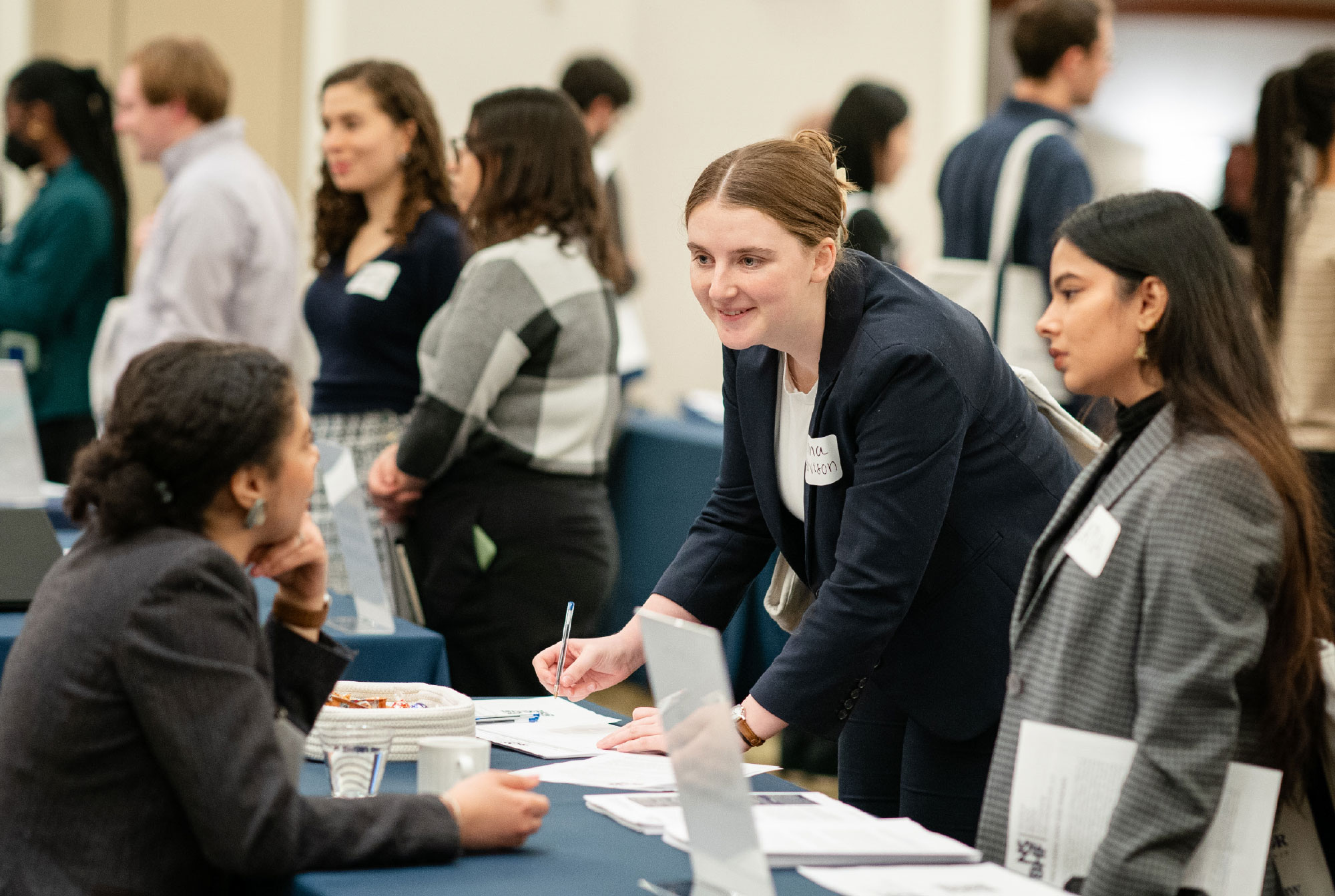 Students gain hands-on legal experience and make real-world impact through Penn Carey Law’s externship programs.
Developing Critical Career Experience
“Externships are a wonderful opportunity for Penn Carey Law students to fulfill their experiential credit graduation requirement,” said Rachel Mayover, Executive Director of the Externship Program and Director of Administration for Academic Affairs. “These hands-on learning experiences give students the chance to explore various areas of law while being embedded within different placement sites, all while receiving full support from both their site supervisor and the Law School’s Externship Program.”
Students can pursue two different types of externships with the Law School. Gittis Externships are pre-approved, local opportunities with top government and nonprofit organizations. Typically, students can complete semester-long externships with placements like the U.S. Attorney’s Office in the Eastern District of Pennsylvania, the U.S. Environmental Protection Agency (Philadelphia Regional Office), the Federal Defender’s Office, the Philadelphia District Attorney’s Office, the Public Interest Law Center, and Community Legal Services, among others.
2025 Skadden Fellowship

Established in 1988, the Skadden Fellowship allows students and recent graduates to pursue impactful public interest legal projects. Towns joins 28 fellows from 18 law schools in the 2025 class.
Towns, a Toll Public Interest Scholar, will work with the NAACP Legal Defense and Educational Fund (LDF) in Washington, D.C. Her project aims to engage in multidisciplinary advocacy to safeguard and lawfully expand targeted programs so that low-income students of color can access higher education and employment opportunities.
“Low-income students of color often experience systemic inequities in K-12 education and beyond that, through no fault of their own, persist and hinder their opportunities at every stage of their academic and professional journeys,” she said in a spotlight from the Skadden Foundation. “I aim to bridge this gap by defending programs that dismantle barriers and create pathways to connect these talented students with the opportunities they need.”
Supreme Court Clerkships
uring the 2024-25 academic year, four Penn Carey Law alumni were selected to serve as law clerks for the United States Supreme Court, the most Supreme Court clerkships ever received by Penn Carey Law graduates in a single academic year.
“We are deeply proud of this extraordinary milestone for Penn Carey Law,” said Dean and Bernard G. Segal Professor of Law Sophia Z. Lee. “This achievement reflects not only the talent and commitment of our graduates, but also the strength of our academic community and the dedication of our faculty and staff to advance the Law School’s ongoing mission to prepare leaders who are equipped to excel at the highest levels of the profession.”
Cal Barnett-Mayotte L’22 and Bethany Lee L’22 are clerking in the current term with Justice Ketanji Brown Jackson and Justice Samuel Alito, respectively. Miles Gray L’24 will clerk for Justice Elena Kagan in October Term (OT)’26, while Lavi Ben Dor L’20 will clerk for Justice Clarence Thomas in OT’27.
“It’s been a privilege to work with so many talented Supreme Court applicants, and to see so many succeed in the same academic year is thrilling,” said Associate Director of the Office of Career Strategy Christine Fritton CW’75.
“This is an extraordinary time for Penn Carey Law! To have four of our students earn clerkships on the Supreme Court in the same year is both exciting and a profound recognition of the exceptional talent, dedication, and training of our students,” said Gayle Gowen L’98, Legal Practice Skills Senior Lecturer and Faculty Co-Chair of the Clerkship Committee. “This fantastic achievement underscores the fact that Penn Carey Law graduates are among the best in the nation.”

2025 Alumni Impact Award
“Dwayne has distinguished himself in his public service career and has been at the forefront of protecting LGBTQ+ students and teachers and ensuring access to public education for low-income students and students with disabilities,” said Ayanna Williams, TPIC’s Director for Public Interest Initiatives.
“Beyond his success as an advocate, Dwayne has also been a mentor to countless Penn Carey Law students and young alumni and served as a pro bono project and post graduate fellowship supervising attorney.”
Donor List



If your name was omitted in error or if you have questions, please contact us at thegoat@law.upenn.edu.
Deceased
Board of Advisors +
Benjamin Franklin Society
(including Young BFS) *
Dean Clinton Society ^
Major gift donors
-
1938
Sylvan M. Cohen
-
1951
Harold Cramer
-
1952
Joseph P. Flanagan, Jr.
- Minturn T. Wright III ^
-
1953
Edward J. Bradley ^
- Allan W. Lugg ^
- Lillian G. Raycroft ^
-
1954
Joan P. Wohl ^
-
1955
William H. Brown ^
- David C. Harrison ^
- Francis J. Hartman ^
- Norman M. Kranzdorf * ^
-
1956
Herman S. Harvey, Jr.
- Arthur W. Leibold *
- Curtis R. Reitz ^
- Professor Alan Miles Ruben
- Carl W. Schneider & Mary Ellen Schneider ^
-
1957
Maurice Axelrad * ^
- Robert S. Cohen ^
- George C. Greer *
- Russell R. Reno, Jr. ^
- Joseph W. Salus II
- Michael L. Temin ^
- E. Norman Veasey & Suzanne J. Veasey
-
1958
David Blasband ^
- Michael V. Franciosa ^
- Michael G. Kurcias & Marjorie Baskin Kurcias ^
- Ramon R. Obod & Ilien H. Obod
- Mr. Howard I. Oken
- James A. Perrin ^
- William H. Rufe III ^
- Allan B. Schneirov & Miriam Alexander Schneirov
- Richard W. Stevens ^
-
1959
Jonathan S. Cohen ^
- Murray S. Eckell ^
- Albert W. Laisy *
- Robert H. Rubin ^
- Donald A. Semisch & Kathleen R. Semisch
- Donald M. Tannenbaum ^
Class Notes
Fine Print

1960s
H. Ronald (Ron) Klasko L’74 was recognized in the 2026 edition of The Best Lawyers in America® for immigration law. Klasko, a founding partner and current chairman of Klasko Immigration Law Partners, LLP, has been listed in Best Lawyers since 1991 and is widely regarded as one of the nation’s leading immigration attorneys. A former president of the American Immigration Lawyers Association (AILA), he is the only attorney to have received the AILA Founders Award twice for his contributions to immigration jurisprudence. Under his leadership, Klasko Immigration Law Partners has been consistently ranked among the top immigration law firms in the country.
The Honorable Gordon Goodman C’74, L’77 was honored as the Special Honoree at the Houston Bar Association’s 34th Annual Appellate Judicial Reception on April 23, 2025. The event recognized the justices of Texas’s First and Fourteenth Courts of Appeals. Judge Goodman serves on the Fourteenth Court of Appeals in Houston, Texas.
In Memoriam

Remembering Lives of Leadership and Service
1950s
[1929–2025] A distinguished jurist, veteran, and civic leader, Judge Paul Ribner C’49, L’52 devoted his life to public service and the pursuit of justice. After earning his law degree from Penn Carey Law, he served as a Judge Advocate in the U.S. Air Force during the Korean War, attaining the rank of captain. Upon returning to Philadelphia, Ribner served as Deputy Attorney General of Pennsylvania and later as counsel to the Public Utility Commission before his appointment to the Philadelphia Court of Common Pleas in 1971 by Governor Milton Shapp. During his 25-year tenure on the bench, he presided over major civil and criminal cases and earned a reputation for fairness, intellect, and integrity. A national leader in veterans’ affairs, Ribner twice served as National Commander of the Jewish War Veterans of the United States and advised President Gerald Ford on veterans’ issues. He was also active in civic and cultural organizations, including the Germantown Jewish Centre and the International Shotokan Karate Federation, where he served as International President. His lifetime of service and leadership leaves an enduring legacy in law, veterans’ advocacy, and community engagement.
ADJOURNED
ADJOURNED

The Journal Vol. 61, No. 1, Winter 2026

Rebecca Anderson
Julia Czech
Allyson Groff
Design
Bold Type Creative
Contributing Writers
Michelle Kaminsky
Ian Mikrut
Tim Reilly
Jade Sham
Photography
Dave Barbaree
Sameer Khan / Fotobuddy
Jeff Santoleri
Illustration
Dante Terzigni
Creative Consultation
Lisa Dirr
Administrative Coordinator
Dalila Lewis
Website
journal.law.upenn.edu
Connect with us
Journal submissions:
alumnijournal@law.upenn.edu
www.law.upenn.edu/alumni/contact-us.php
The University of Pennsylvania values diversity and seeks talent-ed students, faculty and staff with diverse backgrounds, experiences, and perspectives. The University of Pennsylvania does not discriminate on the basis of race, color, sex, sexual orientation, gender identity, religion, creed, national or ethnic origin, citizenship status, age, disability, veteran status or any other legally protected class status in the administration of its admissions, financial aid, educational or athletic programs, or other University-administered programs or in its employment practices. Questions or complaints regarding this policy should be directed to the Executive Director of the Office of Affirmative Action and Equal Opportunity Programs, Franklin Building, 3451 Walnut Street, Suite 421, Philadelphia, PA 19104-6106; or (215) 898-6993 (Voice).
On Docket-
Vol. 60, No. 1, winter 2025